
Guest article from grasslandbeef.com.
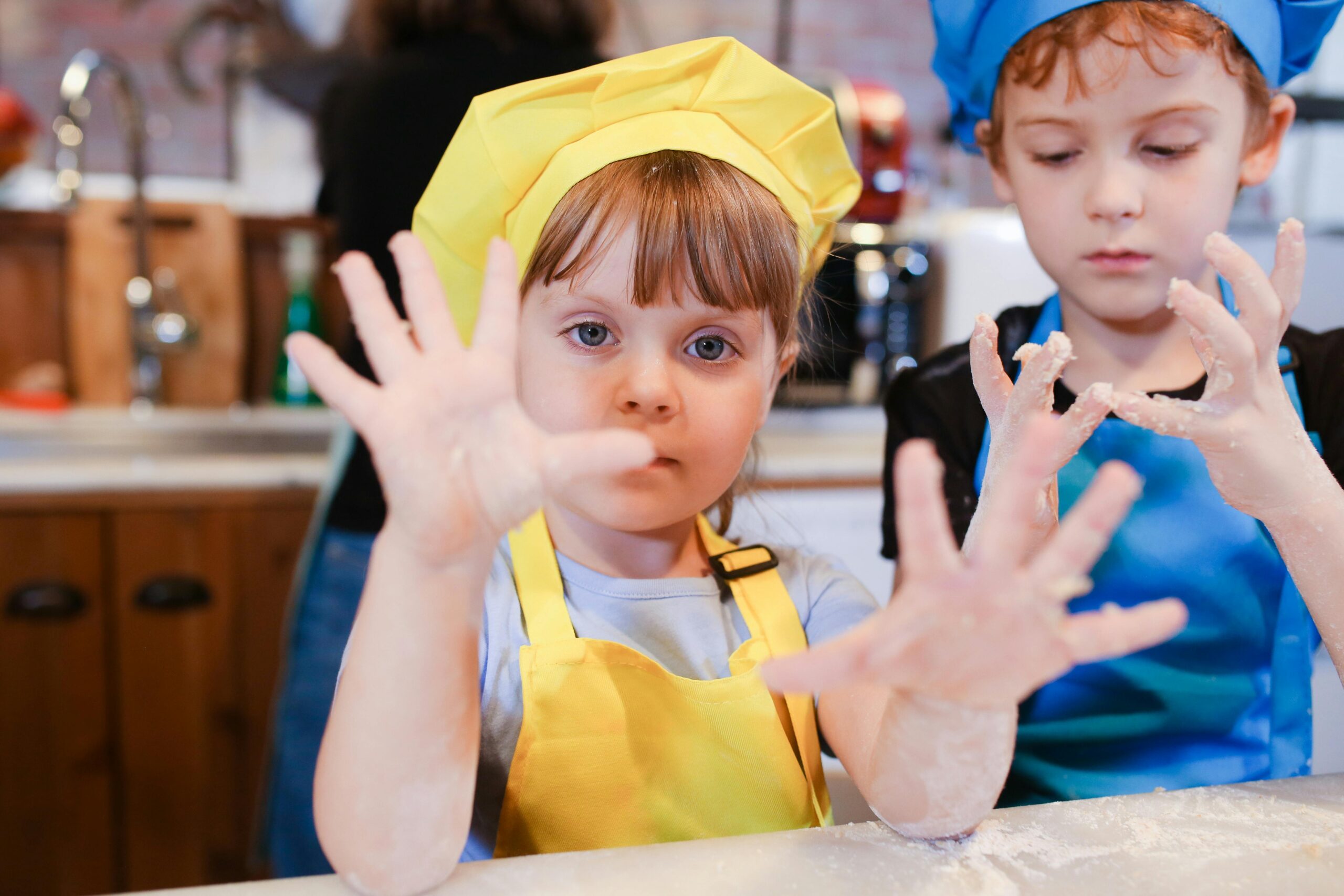
Photo By Pexels
Summer in rural areas has a rhythm all its own. The days stretch a little longer, gardens start to produce, and families find more opportunities to gather around the table. With school out and schedules a bit more flexible, it is the perfect season to introduce kids to one of life’s most practical and rewarding skills: cooking. What starts as a simple way to pass the time can quickly turn into a meaningful tradition that builds confidence, strengthens family connections, and teaches lifelong habits.
When children step into the kitchen, they are doing much more than preparing a meal. They are learning independence, problem-solving, and patience. Measuring ingredients, following a recipe, and adjusting when something does not quite turn out as expected all help kids develop critical thinking skills. There is also something special about watching them take pride in a finished dish. It does not have to be perfect. In fact, those little missteps often turn into the best lessons and the moments you will laugh about later. Cooking together also opens the door to conversations that might not happen otherwise. It gives parents the chance to share why certain ingredients matter and how the choices we make around food can impact long-term health.
Quality Ingredients are the Foundation of Flavor and Healthier Food
That conversation about ingredients is worth having early and often. Kids are naturally curious, and summer is a great time to explain why your family chooses organic produce or grass-fed and pasture-raised meats. You can talk about how these foods are raised, what goes into them, and why they offer better nutritional value. It does not need to be complicated. Simple ideas stick best. You might explain that grass-fed beef tends to have a healthier fat profile or that fresh vegetables picked at the right time carry more flavor and nutrients. These discussions help build an appreciation for quality food, and over time, that appreciation turns into better choices.
Getting started does not require a full kitchen overhaul. A few semi-structured lessons can go a long way. Begin with simple dishes that introduce basic skills. Younger kids can help rinse vegetables, mix ingredients, and learn how to safely use a butter knife. As they grow more comfortable, you can introduce skills like chopping, sautéing, or even managing a stovetop with supervision. The goal is not perfection. The goal is familiarity. When kids feel comfortable in the kitchen, cooking becomes less of a chore and more of a natural part of their routine.
To keep things interesting, try rotating through a handful of simple, nutrient-dense meals that avoid heavy sugars, vegetable oils, and processed foods. A vegetable stir-fry is a great place to start. It is flexible, colorful, and easy to customize based on what you have on hand. Let kids pick the vegetables and decide which ones they want to chop or toss into the pan. Grilled proteins such as grass-fed steaks or pastured chicken breasts paired with roasted sweet potatoes offer another approachable option. There is something satisfying about cooking outside and keeping things simple. You can also encourage creativity with hearty salads that incorporate fresh herbs, leafy greens, and a homemade vinaigrette. Let kids taste as they go and adjust the flavor. It is a great way to develop their palate.
Breakfast is another opportunity to build confidence. Overnight oats can be made the night before in a mason jar and stashed in the fridge for morning. Oatmeal topped with nuts and berries gives kids a chance to experiment with textures and natural sweetness, while scrambled eggs with sautéed greens introduce them to stovetop cooking. These morning meals are often less rushed during the summer, which makes them ideal for learning. Give kids room to try things on their own, even if it takes a little longer. That time investment pays off in the long run.
Of course, having the right tools on hand can make the process smoother. A slow cooker or Instant Pot is a great option for hands-off cooking that still delivers a satisfying meal. Kids can help add ingredients, set the timer, and check on progress throughout the day. Air fryers offer a quicker way to prepare food with less oil, which can be appealing for busy families. It’s also an opportunity to discuss healthier cooking oils and animal fats. Vacuum sealers are another helpful addition, especially if you are cooking in batches or working with high-quality meats. Being able to portion and freeze meals not only reduces waste but also teaches kids about planning ahead.
Creating a Lasting Legacy in the Kitchen
At the heart of it all, cooking together is about more than just food. It is about passing something down. When kids learn how to cook, they are gaining a skill that serves them for life. They are also building a connection to the food they eat and the people they share it with. Those summer evenings spent chopping vegetables, flipping burgers, or tasting a sauce that needs just a little more seasoning become part of the family story.
Before long, you may find your kids asking to take the lead on a meal. Why not let them? Give them the space to try, to learn, and to take ownership. Maybe they want to start making their own lunch? As a parent, that’s valuable time you gain for other projects. When you allow children opportunities to explore creativity, it might not be perfect the first time, but it will be theirs. And that sense of pride and ownership is hard to beat.
So as summer settles in, take advantage of the slower pace. Invite the kids into the kitchen, share what you know, and make it enjoyable. A few simple lessons now can shape habits that last for years. And somewhere down the line, when they are cooking for their own families, they will carry a piece of those summer days with them.
By: Brent Jarvis, Work from home husband and dad of five currently enjoying sun and surf in Southwest Florida